開卷有益 /
國中教育會考 / 英語 / 114 年114 年國中教育會考英語試題與答案
這一頁是民國 114 年國中教育會考英語的整份歷屆試題,共 43 題,題目與標準答案出自心測中心 會考歷屆試題(依著作權法 §9,考試試題不受著作權保護),其中 43 題附有詳解。以下逐題列出題幹、選項與答案;要計時作答或記錄成績,請用線上練習。
線上作答這一科 →
全部 43 題
第 1 題
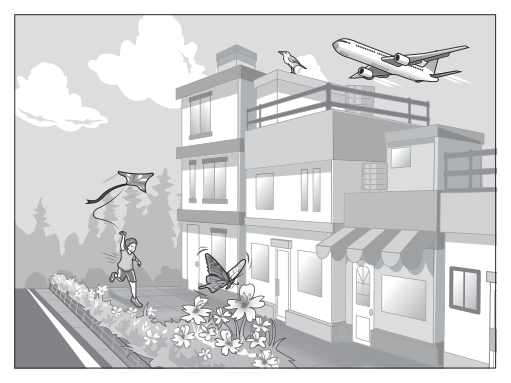
Look at the picture. A is flying over the houses.
(A) bird(B) butterfly(C) kite(D) plane答案:(D)
詳解與考點 正解:題幹的 is flying over the houses 要找正在房屋上空飛行的物體,關鍵是同時比對物體種類與高度位置。D 的 plane 意為「飛機」,圖片中飛越屋頂上空的是飛機,故 D 為正解。
A:bird 圖中的鳥站在屋頂上,沒有飛在房屋上空。
B:butterfly 指蝴蝶,圖片中的蝴蝶停在低處花叢,不符 flying over the houses。
C:kite 指風箏,雖由地面小孩牽著放,圖示高度與位置仍不符飛越房屋上空。
本題考點:圖文判讀——依動作與位置辨認字彙;位置判準——flying over the houses 指正在房屋上空飛行,不能只看物體是否出現在畫面中。
第 2 題
When I was a teenager, I was very . But now, it’s easier for me to talk to people.
(A) happy(B) lazy(C) popular(D) shy答案:(D)
詳解與考點 正解:後句說現在較容易和人交談,暗示青少年時不容易開口與人互動,應填形容性格的 shy「害羞的」。D 為正解。
A:happy 表「快樂的」,與是否容易和人交談沒有直接對比,錯誤。
B:lazy 表「懶惰的」,不能解釋不易與人交談,錯誤。
C:popular 表「受歡迎的」,不等於自己不敢或不易開口,錯誤。
本題考點:語境詞彙——由前後句的轉變推定形容詞;性格語意——shy 指害羞、不易主動與人交談。
第 3 題
Lena doesn’t want to go with John because she is afraid of water.
(A) dancing(B) hiking(C) sailing(D) shopping答案:(C)
詳解與考點 正解:因為 Lena 害怕水,不想參加的活動必須在水上進行。C 的 sailing 指「航行、搭帆船」,直接涉及水上活動,故 C 為正解。
A:dancing 指跳舞,與水無關,錯誤。
B:hiking 指健行,通常在陸地進行,與水無關,錯誤。
D:shopping 指購物,與害怕水沒有直接關係,錯誤。
本題考點:語境詞彙——將原因條件連結到活動特性;搭配判斷——afraid of water 與 sailing 的水上情境相呼應。
第 4 題
Cindy enjoys her dad read stories to her before bed.
(A) to listen to(B) listening to(C) listen to(D) listens to答案:(B)
詳解與考點 正解:enjoy 後面要接動名詞,題幹的 enjoy 後需填 listening to。B 的 listening to her dad read stories 表「喜歡聽爸爸念故事給她聽」,故 B 為正解。
A:to listen to 是不定詞,enjoy 不接不定詞,錯誤。
C:listen to 是原形動詞,enjoy 後缺少 -ing,錯誤。
D:listens to 是第三人稱單數動詞,不能作為 enjoy 的受詞,錯誤。
本題考點:動詞搭配——enjoy + V-ing;句型判斷——先確認空格位於動詞後作受詞,再選動名詞形式。
第 5 題
Dad is busy cooking in the kitchen. Dinner will be in ten minutes.
(A) free(B) full(C) medium(D) ready答案:(D)
詳解與考點 正解:爸爸正在廚房做菜,且晚餐 10 分鐘後就會完成,空格應填 ready「準備好的」。D 的 Dinner will be ready in ten minutes 符合語境,故 D 為正解。
A:free 指自由的或有空的,不能形容晚餐即將做好,錯誤。
B:full 指滿的或飽的,不能表示餐點完成,錯誤。
C:medium 指中等的,與晚餐製作進度無關,錯誤。
本題考點:語境詞彙——依事件進度選擇能形容完成狀態的字;be ready——表準備完成、可以使用或開始。
第 6 題
There are so many new in the office. It’ll take me some time to remember who is who.
(A) faces(B) ideas(C) rules(D) tools答案:(A)
詳解與考點 正解:後句的 remember who is who 表示要記住每個人的身分,空格應指辦公室裡的新面孔。A 的 faces 表「臉孔、新面孔」,故 A 為正解。
B:ideas 指想法,不能和 who is who 搭配,錯誤。
C:rules 指規定,不能指需要辨認的人,錯誤。
D:tools 指工具,不能呼應記住誰是誰;它看起來對,是因為辦公室常有各種工具,但句子談的是人,錯誤。
本題考點:語境詞彙——以後句的指涉對象判斷名詞;new faces——指新出現、尚未熟識的人。
第 7 題
I feel like a . I was looking for my keys for hours but they have been in my pocket the whole time.
(A) fool(B) ghost(C) king(D) stranger答案:(A)
詳解與考點 正解:說話者找鑰匙好幾小時,卻發現鑰匙一直在口袋裡,因此是在責怪自己粗心。A 的 fool 指「傻瓜」,feel like a fool 表「覺得自己很蠢」,故 A 為正解。
B:ghost 指鬼,與找不到其實在口袋裡的鑰匙無關,錯誤。
C:king 指國王,不能表達自責或尷尬,錯誤。
D:stranger 指陌生人,不用來形容因粗心而覺得自己愚蠢,錯誤。
本題考點:固定搭配——feel like a fool 表因失誤而覺得自己很傻;語境判讀——結果與先前努力落差大時,常表達自嘲或尷尬。
第 8 題
Mr. and Mrs. Wu have three daughters. Two are in high school, and is in elementary school.
(A) each(B) the other(C) the one(D) the next答案:(B)
詳解與考點 正解:題幹共有 3 個女兒,two 指其中 2 人,剩下唯一的第 3 人要用 the other。B 為正解。
A:each 表全體中的每一個,不能指 two 之外剩下的唯一一人,錯誤。
C:the one 通常需有明確限定,如 the one who...,此處不合句型,錯誤。
D:the next 指下一個,沒有「剩下那一個」的意思,錯誤。
本題考點:不定代名詞——三者中已說 two,剩下唯一者用 the other;範圍判斷——先數清楚已知人數與剩餘人數,再選代名詞。
第 9 題
It is hard for trees to along this beach because of the strong winds from the sea.
(A) blow(B) build(C) follow(D) grow答案:(D)
詳解與考點 正解:題幹主詞是 trees,強烈海風使樹木難以生長;grow 表「生長」,與 hard for trees to grow 的語意和語法都相符,故 D 為正解。
A:blow 表「吹」,通常由風作主詞,不合 trees 的動作。它看起來對,是因為句中有 strong winds,卻忽略真正的主詞是 trees。
B:build 表「建造」,不合樹木受海風吹拂的情境。
C:follow 表「跟隨」,不合句意。
本題考點:英文語境詞彙——先找不定詞的動作主體,再以語意搭配選字;grow 表生長,適合描述樹木受環境條件影響。
第 10 題
Christmas and I want to visit my aunt abroad. Do you have any plans yet?
(A) came(B) comes(C) is coming(D) was coming答案:(C)
詳解與考點 正解:題幹的 Christmas 與詢問 plans yet 都指向即將到來的近期未來,is coming 可用現在進行式表已確定或正在接近的未來事件。C 為正解。
A:came 是過去式,不能表示尚未到來的聖誕節,錯誤。
B:comes 是現在簡單式,較常用於習慣或時刻表,此處不如現在進行式貼合近期將至的語境,錯誤。
D:was coming 是過去進行式,需有過去時間背景,題幹沒有,錯誤。
本題考點:現在進行式表近未來——用於已在安排中或即將發生的事件;時間判斷——由 plans yet 與聖誕節將至選 is coming。
第 11 題
Jo won’t be happy if you’re late for his party tonight, so sure that you arrive on time.
(A) make(B) makes(C) to make(D) is making答案:(A)
詳解與考點 正解:前句提醒今晚派對不可遲到,後句是在給指示,應用祈使句動詞原形 make。make sure 表「確保」,A 為正解。
B:makes 是第三人稱單數形式,祈使句句首不用此形式,錯誤。
C:to make 是不定詞,不能單獨作祈使句主要動詞,錯誤。
D:is making 是進行式,不能構成此處的指示語氣;它看起來對,是因為前文有 won’t 與 if,但空格另起一句祈使句,錯誤。
本題考點:祈使句——以動詞原形開頭表命令、提醒或建議;固定搭配——make sure + 子句表「確保……」。
第 12 題
You may have a long drive because of the terrible . There are usually a lot of cars and buses during this time.
(A) experience(B) machine(C) service(D) traffic答案:(D)
詳解與考點 正解:題幹說很多汽車和公車,使車程可能很久,關鍵是道路上車輛擁擠。traffic 表「交通流量;路上車潮」,terrible traffic 可指嚴重交通壅塞,故 D 為正解。
A:experience 表「經驗」;terrible experience 雖是常見搭配,但後文的車與公車明確指向交通狀況,錯誤。
B:machine 表「機器」,不能指道路上的大量車流,錯誤。
C:service 表「服務」,與車程變長的原因不符,錯誤。
本題考點:語境詞彙——由 a lot of cars and buses 判斷交通壅塞;搭配判斷——常見搭配仍須符合後文提供的具體線索。
第 13 題
In the future, there will be greater basketball players than Stephen Curry, but now we believe he is the best!
(A) again(B) already(C) never(D) perhaps答案:(D)
詳解與考點 正解:前半句談未來是否會有比 Stephen Curry 更偉大的球員,屬不確定的推測;後半用 but now 強調現在相信他最好。D 的 perhaps 表「也許」,最符合,故 D 為正解。
A:again 表再次,不能表達對未來可能性的推測,錯誤。
B:already 表已經,與未來的未定情況不合,錯誤。
C:never 表從不,會否定未來有更偉大球員的可能,與語境不合,錯誤。
本題考點:語境副詞——perhaps 表不確定的可能性;轉折判讀——未來或許不同,但現在仍相信 Stephen Curry 是最好的。
第 14 題
I guess the rainwater has come in from the kitchen. See? of the windows are closed except the one in the kitchen.
(A) All(B) Both(C) Most(D) Some答案:(A)
詳解與考點 正解:題幹說除了廚房那一扇外,其他窗戶都關著,須用表全體的 all。All of the windows are closed except the one in the kitchen 表「所有窗戶都關著,只有廚房那一扇例外」,故 A 為正解。
B:both 只用於兩者,題幹未限定窗戶只有兩扇;它看起來對,是因為 both 可接 of the windows,但數量條件不符,故錯誤。
C:most 表大部分,無法表達僅有一扇例外、其餘全關的意思,故錯誤。
D:some 表一些,範圍太小,不合全體加一個例外的邏輯,故錯誤。
本題考點:全體量詞——all 表全部;判準——出現 except 加單一例外時,若其餘全數符合,使用 all。
第 15 題
machines have been used to pick fruits for a long time, they were not used on strawberry farms until several years ago.
(A) Although(B) Because(C) Before(D) If答案:(A)
詳解與考點 正解:前句說機器很早已用來採水果,後句說草莓農場直到幾年前才使用,前後形成讓步轉折,Although表「雖然」,故A為正解。
B:Because表「因為」,引出原因,不能表達前後的讓步對比,錯誤。
C:Before表時間先後,與本句讓步關係不合,錯誤。
D:If表「如果」,是條件關係,與既成事實的轉折不合,錯誤。
本題考點:讓步連接詞——Although+子句表讓步,主句再說相反或出乎預期的結果;句首Although子句後通常以逗號隔開,但判斷重點仍是前後的讓步關係。
第 16 題
There are online videos that teach you exercises you can do at home. They’ll you a trip to the gym, and some money too.
(A) cost(B) give(C) keep(D) save答案:(D)
詳解與考點 正解:題幹的「a trip to the gym」和「some money too」都表示可免去的時間或花費,需用能同時搭配兩者的動詞。D save 表「節省、免除」,save you a trip to the gym and some money 表「讓你免跑一趟健身房,也省下一些錢」,故 D 正確。
A:cost 表「花費」,若用此字會變成影片使人花一趟健身房和錢,與語意相反。
B:give 表「給予」,不能表示免去一趟行程或省錢。
C:keep 表「保持」,不合這裡節省行程與金錢的語意。
本題考點:動詞搭配——save+人+事物可表「替某人省下或免去某事」;語意判斷——出現 money 與可避免的 trip 時,優先判斷是否為 save 的節省語意。
第 17 題
Jane’s parents are always happy to see their grandchildren, but mine less so when I visit them with my kids.
(A) is(B) are(C) do(D) does答案:(B)
詳解與考點 正解:前句的謂語是 are happy,後句 mine 指的是 my parents,仍是複數主詞,且須以 be 動詞呼應,因此應填 are,B 為正解。
A:is 是單數 be 動詞,但 mine 的先行詞是 parents,應用複數 are,錯誤。它看起來對,是因為 mine 形式上像單數代名詞,實際上代替的是複數的 parents。
C:do 用來呼應一般動詞,不用來呼應前句的 be 動詞 are,錯誤。
D:does 既是單數形式,也不能呼應 be 動詞,錯誤。
本題考點:助動詞與 be 動詞呼應——省略重複述語時,要沿用前句的 be 動詞;代名詞指涉——mine 在此代替 my parents,故動詞用複數 are。
第 18 題
Before she about it, you should tell Daphne you broke her favorite cup.
(A) asks(B) asked(C) was asking(D) will ask答案:(A)
詳解與考點 正解:Before 引導未來時間副詞子句;主句的 should tell 表示未來情境,但時間子句要用現在簡單式,不用 will。Before she asks about it 意為「在她問起這件事之前」,asks 正確,故選 A。
B:asked 是過去簡單式,與主句所示的未來情境不合。
C:was asking 是過去進行式,時態不合。
D:will ask 雖有未來意思,但 Before 引導的時間副詞子句不用未來式。它看起來對,是因為事件尚未發生,卻忽略時間子句的時態規則。
本題考點:時間副詞子句——before、after、when、until 等引導未來時間時,子句用現在簡單式,主句再依語意使用未來相關表達。
第 19 題
It was very windy this morning. Some of the shirts on the balcony were blown away in the pond.
(A) fell(B) and fell(C) fallen(D) and fallen答案:(B)
詳解與考點 正解:題幹描述襯衫先被風吹走,接著掉進池塘,需用 and 連接兩個過去式動詞。shirts were blown away and fell into the pond,其中 fell 是 fall 的過去式,表「掉落」,故 B 為正解。
A:fell 雖是正確的過去式,但前面已有完整的 were blown away,缺少連接兩個動作的 and。
C:fallen 是過去分詞,不能在此獨立作謂語。
D:and fallen 仍是過去分詞;若要用被動語態須與 were 等助動詞搭配,句型不合。
本題考點:對等連接詞——and 可連接同一主詞的兩個並列動作;動詞形式——過去式 fell 可作謂語,過去分詞 fallen 不可單獨作謂語。
Rex is a dog that lives at the bakery next to our school. He is cute and friendly. Every morning, he stands in front of the school to welcome everybody. We all see Rex as one of us. But one Monday morning, I was surprised that Rex was not there to say hello to us. “Rex is in the hospital. He was hit by a car last night,” my classmate told me. We went to see Rex in the hospital that day after school. Two weeks later, Rex was much better, and we decided to take him for a walk every evening. Because of the exercise, Rex became healthier and stronger. Soon he could happily run and jump again. He is now as handsome and strong as before!
第 20 題
What happened to Rex?
(A) He got lost.(B) He got hurt.(C) He bit people.(D) He ate too much.答案:(B)
詳解與考點 正解:題幹問 Rex 發生何事,文章明說他「was hit by a car last night」且住院;get hurt 表「受傷」,與文意相符,故 B 為正解。
A:文章沒有說 Rex 走失,錯誤。
C:文章沒有說 Rex 咬人,錯誤。
D:文章說散步後他變得更健康,沒有吃太多的訊息,錯誤。
本題考點:英語閱讀細節理解——先回原文找與題目對應的事件句;同義轉換——be hit by a car 可推知 get hurt,答案須有明確文本依據。
第 21 題
How did the writer help Rex?
(A) By calling the police.(B) By making him exercise.(C) By taking him to see a doctor.(D) By looking for a new home for him.答案:(B)
詳解與考點 正解:題幹問作者如何幫助 Rex,關鍵是文中的「take him for a walk every evening」及運動後變得更健康強壯。B 的 By making him exercise 表「讓牠運動」,正是作者每天帶牠散步所做的幫助,故 B 為正解。
A:文中沒有報警,錯誤。
C:作者與同學是到醫院探望 Rex,不是帶牠去看醫生,錯誤。它看起來對,是因為文中確實出現 hospital,卻把「探望」誤當成「安排治療」。
D:文中沒有替 Rex 找新家,牠原本住在學校旁的麵包店,錯誤。
本題考點:細節理解——先在文章中找出與題目動詞 help 對應的具體行動;make+受詞+原形動詞表示「使受詞做後方動作」,making him exercise 即使牠運動。
第 22 題
What do we know about Mark from the dialogue?
(A) He made Linda unhappy.(B) He is looking for a new job.(C) He did not like Linda’s cake.(D) He is getting married to Jenny.答案:(A)
詳解與考點 正解:題幹問從對話可知 Mark 的什麼事。Jenny 在對話後段說「Last time when we were talking about how delicious Linda's cake was, you started telling us about the chocolate cake you made at home.」——Mark 曾在大家稱讚 Linda 的蛋糕時插話講自己做的蛋糕,Linda 最後也以「MARK!!」表達不滿,可知他讓 Linda 不高興過,故 A 正確。
B:Mark 說「I just got the job I've wanted so much.」,工作已經到手,不是還在找。
C:他插話講自己的巧克力蛋糕,並未表示不喜歡 Linda 的蛋糕,兩者不能混為一談——這是本題最強誘答,因為蛋糕確實被提到。
D:要結婚的是 Jenny,對話中未提對象是 Mark。
本題考點:多人對話的訊息歸屬——先辨明每句話由誰說、指涉誰,再判斷選項敘述的主詞是否對得上;被提到的物件(蛋糕、工作、婚訊)常被移花接木成錯誤選項。
第 23 題
Which is most likely an example of stealing someone's thunder?
(A) Dennis never changes his mind except when his wife tells him to.(B) Melisa tells Tom she’ll go to the party but tells her mom she’ll stay home.(C) Jeff tells everyone he’ll move abroad when Ivy is still telling them about her baby.(D) Alisa says she doesn’t care what we have for lunch but also doesn’t like the restaurant we chose.答案:(C)
詳解與考點 正解:對話中 Linda 用 stealing Jenny's thunder 責備 Mark——Jenny 正在分享婚訊時,Mark 插進來講自己的新工作,把他人的高光時刻搶走。C 的 Jeff 在 Ivy 還在說她寶寶的事時宣布自己要出國,情境完全對應,故選 C。
A:Dennis 只在太太要求時才改變心意,講的是缺乏主見,與搶他人風頭無關。
B:Melisa 對不同人說不同的話,屬於說謊或前後不一,非搶風頭。
D:Alisa 嘴上說不在意卻又不滿意選定的餐廳,是言行不一,仍與搶風頭無關。
本題考點:慣用語的情境遷移——先由對話上下文歸納 steal someone's thunder 的核心要件(他人正在分享重要消息+插入自己的事搶走注意),再檢查各選項是否同時具備這兩個要件,只滿足「行為不當」不足以入選。
Buy a White Lake City Card When You’re in the City With any of the Cards, you can - visit the city by metro, bus, or train as many times as you want. * - take one child under 12 with you for free. - save 20% on tickets to public museums. The 1-day, 3-day, and 5-day Cards are for trips from Monday to Friday, and the Weekend Card is for trips on weekends and holidays. Check the map and buy the right Card for the zones you’ll be entering. Card Zone 1 Zones 1-2 Zones 1-3 1-day $20 $40 $60 3-day $40 $60 $80 5-day $50 $80 $110 Weekend $30 $50 $80 * The Cards are only for trips inside the three zones. ⓐ White Lake Main Station ⓑ Museum of White Lake City History ⓒ Museum of Modern Art ⓓ White Lake ⓔ White Lake Castle ⓕ White Lake Airport
第 24 題
What can you do with a White Lake City Card?
(A) Save 20% on children’s train tickets.(B) Visit any public museum in the city for free.(C) Take a train to places out of the three zones.(D) Move around the city by metro as much as you want.答案:(D)
詳解與考點 正解:廣告中的「visit the city by metro, bus, or train as many times as you want」,表示持卡可不限次搭乘市內大眾運輸。D 的 Move around the city by metro as much as you want 與此完全相符,故 D 為正解。
A:卡片可免費帶 1 名未滿 12 歲兒童同行,不是兒童火車票打 8 折,錯誤。
B:公共博物館門票是節省 20%,不是免費進入,錯誤。它看起來對,是因為 save 20% 容易被誤讀成免票。
C:註記明定卡片僅限三個區域內的行程,不能搭車到區外,錯誤。
本題考點:廣告資訊檢索——逐句核對權益的對象、範圍與程度;as many times as you want 表不限次,save 20% 表打 8 折而非免費。
第 25 題
Stacy is going to White Lake City and is staying at a hotel near the White Lake Main Station. She wants to visit the Museum of White Lake City History on Friday and see White Lake on Saturday. If she plans to buy (a) White Lake City Card(s), which of the four choices will be best for her and cost her the least?
(A) A 3-day Card for Zone 1.(B) A Weekend Card for Zones 1-3.(C) A 1-day Card for Zone 1 and a Weekend Card for Zones 1-2.(D) A 1-day Card for Zones 1-2 and a Weekend Card for Zones 1-2.答案:(C)
詳解與考點 正解:Stacy 週五要到 Zone 1 的歷史博物館、週六要到 Zones 1-2 的 White Lake,且要選最低費用。週五先買 1-day Card for Zone 1,費用為 $20;週六買 Weekend Card for Zones 1-2,費用為 $50;$20+$50=$70。C 同時符合日期與區域,且費用最低,故為正解。
A:3-day Card for Zone 1 要 $40,且 1-day、3-day、5-day 卡只限週一至週五,不能用在週六,錯誤。
B:Weekend Card for Zones 1-3 要 $80,不能涵蓋週五,且多買了 Zone 3,錯誤。
D:1-day Card for Zones 1-2 要 $40,Weekend Card for Zones 1-2 要 $50,$40+$50=$90,比 C 的 $70 多 $20,錯誤。它看起來對,是因為兩天都涵蓋所需區域,卻未選最低票價。
本題考點:圖表計算應用——先依使用日判斷平日卡或週末卡,再依目的地選最小涵蓋區域,最後逐項相加比較總價。
At 5 o’clock every morning, while most people are sleeping, 16-year-old Libby Larson is already up. She mops the floor, gets the mail and the newspapers, and gets ready for visitors to Rolling Acres. Libby’s grandparents started Rolling Acres in 1970, and since then all of the Larson family have been working there. Rolling Acres used to be just a sheep farm, but now, with its fruit trees, vegetable gardens, and many other kinds of animals, it has become a popular place for families to go on vacation. Visitors can pick fruits, collect eggs, and feed the animals. It is one of Libby’s jobs to show kids how to feed the baby sheep. For her work, Libby is paid $10 an hour. This summer, she expects to make about $1,200 and plans to buy a cell phone. Her friends think it’s great to make that much money in a summer. However, for Libby, working at a family business also means making sacrifices. “I’d love to sleep until noon or go to summer camp like other kids. My friends stopped inviting me on trips because I’m always busy in the summer.” However, Libby also said, “But it’s better to see both sides. Working with your family is great. You feel closer to each other.”
第 26 題
What is Rolling Acres?
(A) A zoo.(B) A campground.(C) A vacation farm.(D) A family restaurant.答案:(C)
詳解與考點 正解:Rolling Acres 現有果樹、菜園與多種動物,遊客可採水果、撿雞蛋、餵動物,且是家庭度假的熱門去處。C 的 a vacation farm 表「觀光農場」,符合全文描述,故 C 為正解。
A:雖然有動物,但遊客還可採果、撿蛋,並非單純動物園。
B:文中沒有露營設施,錯誤。
D:文中沒有餐飲服務,錯誤。
本題考點:主旨與詞義理解——依多項活動與場所功能判斷類型,不可只抓到 animals 就選 zoo;vacation farm 指提供農場體驗的度假或觀光場所。
第 27 題
What do we learn from the first paragraph?
(A) What Libby does at Rolling Acres.(B) What visitors think of Rolling Acres.(C) Why Libby’s grandparents started Rolling Acres.(D) What the Larson family’s plans are for Rolling Acres.答案:(A)
詳解與考點 正解:第一段連續列出 Libby 清掃地板、拿信報、準備迎接遊客,以及教孩子餵小羊的工作。A 的 What Libby does at Rolling Acres 正好概括這些內容,故 A 為正解。
B:第一段沒有說明遊客對 Rolling Acres 的看法,錯誤。
C:第一段只說祖父母在 1970 年創立,沒有交代創立原因,錯誤。
D:第一段沒有提到 Larson 家族未來的計畫,錯誤。
本題考點:段落大意——先找段落反覆描述的主角與行動,再選能涵蓋全部細節的選項;人物的工作內容不能推成家族的未來計畫。
第 28 題
What does making sacrifices mean?
(A) Learning to make money and use it wisely.(B) Getting to know different sides of your family.(C) Making excuses for failing to do something difficult.(D) Giving up something important to do something else.答案:(D)
詳解與考點 正解:Libby 為了在家族事業工作,不能睡到中午、不能去夏令營,朋友也不再邀她旅行。D 的 Giving up something important to do something else 表「放棄重要的事去做另一件事」,正是 making sacrifices 的語境意義,故 D 為正解。
A:學習賺錢與善用金錢不是 sacrifice 的意思。
B:認識家人的不同面向不是 sacrifice 的意思。
C:為做不到困難的事找藉口,也不是 sacrifice 的意思。
本題考點:字彙語境推論——sacrifice 作名詞或動詞皆有「犧牲、放棄」之意;須用後文舉例確認放棄的是睡眠、夏令營與旅行機會。
Around the year 400, people came to Easter Island. So many trees here! In their free time, they loved They used trees to make fire and making statues with big rocks. With build houses. Because of the trees, the trees they cut down, they could people had a great life on the island. move the statues around easily. Trees were needed and used in every part of their life. Years passed, and there were fewer and fewer trees on Easter Island. Without enough trees to keep And I’m hungry. water under the ground, the land I’m thirsty. became dry, and plants didn’t grow. 7 People began to fight for water and food. The statues were moved to fighting grounds to show their power. The last trees were probably cut down at this time. Let’s not make Earth, our only home, Those who cut down another Easter Island. the last trees surely understood how important trees were to them—but still, they did it. When the last trees fell to the ground, people on the island fell, too.
第 29 題
What do the comics tell us?
(A) Enjoy life while we can.(B) Follow the old ways of life.(C) Save our planet before it’s too late.(D) Treat others the way we want to be treated.答案:(C)
詳解與考點 正解:漫畫結尾「別讓地球這唯一的家變成下一個復活節島」,以島上砍光樹木、土地乾枯、居民缺水缺糧的過程提出警示。C 的 Save our planet before it’s too late 表「在太遲之前拯救地球」,最符合主旨,故 C 為正解。
A:漫畫不是鼓勵及時享樂,而是警告過度使用資源的後果。
B:漫畫沒有主張遵循舊生活方式。
D:待人如己是人際倫理,和環境破壞的主題無關。
本題考點:漫畫主旨——結尾的呼籲通常統整前面事件;由樹木減少、缺水缺糧到地球警示,可判定主題是環境保護與資源永續。
第 30 題
What can we learn about the people in the comics?
(A) They made fire before starting a fight.(B) They fought for land and plants all the time.(C) They prayed to the statues beside a large fire.(D) They used statues to show how strong they were.答案:(D)
詳解與考點 正解:題幹問漫畫人物的情況,文中指出石像被搬到戰場以展現他們的力量;D的used statues to show how strong they were正好對應,故D為正解。
A:文中沒有說他們在戰鬥前生火,錯誤。
B:文中沒有說他們一直為土地和植物而戰,錯誤。
C:文中說石像被搬到戰場展現力量,沒有說人們在大火旁向石像祈禱,錯誤。
本題考點:英語閱讀細節理解——回到文章找與選項相同的關鍵資訊;同義轉換——show their power可對應show how strong they were。
第 31 題
What does did it in Picture 7 mean?
(A) Fall to the ground.(B) Cut down the last trees.(C) Move the statues to fighting grounds.(D) Understand how important trees were.答案:(B)
詳解與考點 正解:did it 前的 Those who cut down the last trees,後面說他們明知樹木重要卻仍然做了那件事。it 指代的正是 cut down the last trees,故 B 為正解。
A:fall to the ground 是最後樹木倒下的結果,不是人們所做的事。
C:移動雕像到戰鬥場地是較早發生的事,並非 did it 緊接指涉的動作。
D:understand how important trees were 是他們知道的內容,不是 despite 後仍去做的行為。它看起來對,是因為句中也提到 understood,卻忽略 did it 指的是與之相反的行動。
本題考點:代名詞指涉——it 常回指前句最近且能作為動詞受詞的事件;遇到「明知某事重要卻仍採取相反行動」的句型時,後者通常是與所知相反的行動。
Many years ago, Dan Ariely bought a cabinet from IKEA. IKEA is a famous furniture store that sells boxes of furniture parts. People who buy them have to put all the parts together themselves. It took Ariely hours to build his cabinet. Ariely didn’t really enjoy himself when he was trying to put all the parts together. However, after he finished, he felt quite good about himself and his cabinet. Later, he found that he loved his cabinet more than any of his other furniture. Ariely wanted to know if anyone shared his feelings, so he did a fun origami study. He invited two groups of people to join his study. He called one group “builders” and the other group “buyers.” Builders were told to make origami, like paper frogs or paper birds. When they finished, they were asked how much they would spend on their works. Ariely then showed the origami to buyers and asked them how much they would pay for them. The two groups gave very different answers. Though buyers would pay only five cents for builders’ origami, builders would spend 25 cents! Interestingly, builders believed others would think their works were good enough to cost that much money! Ariely’s study showed that he was not alone in his IKEA experience — we just love things more, sometimes blindly, when we make them ourselves. Ariely called it “the IKEA effect.” furniture 家具
第 32 題
What did Ariely try to find out in the origami study?
(A) If he could stop the IKEA effect.(B) Why people love making origami.(C) Why IKEA furniture is so famous.(D) If anyone shared his IKEA experience.答案:(D)
詳解與考點 正解:Ariely 想知道是否有人和他一樣,會特別喜歡自己親手做出的東西,因此安排 builders 與 buyers 的折紙研究比較。D 的 If anyone shared his IKEA experience 正是研究目的,故 D 為正解。
A:研究不是要停止 IKEA effect,而是要檢驗是否有人也有這種經驗。
B:研究比較作品估價,不是探究人們為何喜歡折紙。
C:研究也不是探究 IKEA 為何有名。
本題考點:細節理解——研究目的通常由作者提出問題或研究前的動機判定;to know if anyone shared his feelings 對應「是否有人有相同的 IKEA experience」。
第 33 題
Which is true about the origami study?
(A) Buyers would spend less on builders’ origami than builders would.(B) Builders and buyers needed to decide a price on the origami they made.(C) Builders knew others would not pay as much for the origami as they would.(D) Buyers would spend more on builders’ origami after knowing how they were made.答案:(A)
詳解與考點 正解:數據比較:buyers 願付 5 cents,builders 願付 25 cents。5 小於 25,所以 A 的 Buyers would spend less on builders’ origami than builders would 正確,故 A 為正解。
B:builders 為自己做的折紙估價;buyers 是為 builders 的作品估價,不是兩組都替自己做的折紙定價。
C:builders 反而相信別人也會覺得作品值 25 cents,錯誤。它看起來對,是因為實際上 buyers 的出價較低,但題目問的是 builders 的想法。
D:文中沒有說 buyers 知道製作過程後會提高出價,錯誤。
本題考點:細節辨析——先區分研究中的角色、估價對象與實際數字;比較級 less than 表「比另一方少」,5 cents 與 25 cents 是直接依據。
第 34 題
Jerry just can’t get his daughter Mia to eat more vegetables at dinner. Every time he tries to do so, there is always a lot of shouting and crying. If Jerry wants to have Mia eat more vegetables by using the IKEA effect, what should he do?
(A) Tell Mia that he cooks the vegetables just for her.(B) Ask Mia to help him cook vegetables for her meal.(C) Give Mia her favorite candy after she eats vegetables.(D) Ask Mia what vegetables she likes and cook them for her.答案:(B)
詳解與考點 正解:題幹要求用 IKEA effect 讓 Mia 願意多吃蔬菜,關鍵是這個效應指人會更珍視自己親手做出的成果。Ask Mia to help him cook vegetables for her meal 表示請 Mia 一起料理自己的蔬菜,能讓她投入製作並較願意接受成果;help+人+原形動詞 cook 表「幫忙做」,B 為正解。
A:Tell Mia that he cooks the vegetables just for her 只是告訴 Mia 父親為她做菜,沒有讓她親自參與。
C:Give Mia her favorite candy after she eats vegetables 是以糖果作外在獎勵,不是自己動手後更珍視成果。
D:Ask Mia what vegetables she likes and cook them for her 是配合喜好,但仍由父親料理,沒有運用 IKEA effect。
本題考點:IKEA effect——自己參與製作會提高對成果的喜愛與重視;情境應用——先抓理論的核心機制,再選出實際讓當事人親手參與的做法。
In the picture is a UK electricity worker in the 1970s. Pictures like this appeared in many newspapers at the time. In 1972, electricity workers in the UK asked to be paid more, and they decided to stop working until their wish was answered. The government worried that there wouldn’t be enough electricity for the country if these workers didn’t go to work, so it agreed to give them the pay rise. However, the story didn’t end there. A year later, the electricity workers asked for another pay rise. To get what they wanted, they worked shorter hours and acted like they would walk away from their job anytime. But this time, the government decided to fight. To save electricity, it made new rules for people to follow. For example, each family could turn on the heat in only one room; TV stations had to stop their shows at 10:30 p.m.; businesses could open only three days a week. People’s lives were greatly changed. Without enough heat to keep the house warm, people covered themselves in blankets all the time. Hospitals had to use candles because they couldn’t keep all the lights on. Factories couldn’t keep their machines working. Many people lost their jobs. For months, people were paying the price while the electricity workers were fighting for their wish. In the end, the government agreed to the second pay rise. This picture shows what many people thought of the electricity workers during the “dark” time. government 政府
第 35 題
What is the reading mainly about?
(A) The tips on using a picture to tell a story.(B) The change that electricity brought to people’s lives.(C) The history behind the picture of a UK electricity worker.(D) The story of a famous UK electricity worker from the 1970s.答案:(C)
詳解與考點 正解:文章由 1970 年代英國電力工人的圖片出發,交代兩次要求加薪、政府限電及民眾受影響的來龍去脈。C 的 The history behind the picture of a UK electricity worker 概括全文,故 C 為正解。
A:文章沒有提供用圖片說故事的技巧。
B:文章重點是勞資衝突與限電事件,不是電力如何改變生活的長期歷史。
D:文章談的是一群電力工人,沒有敘述某位知名工人的個人故事。
本題考點:全文主旨——整合開頭的圖片、事件背景與結局,選能涵蓋全文範圍的選項;歷史背景不等於單一人物傳記。
第 36 題
In the UK in the 1970s, what did people most likely think of the UK electricity workers?
(A) They were not brave enough to fix their problems.(B) They worked like robots and never learned to change.(C) They were asking too much and did not know when to stop.(D) They did not care whether their job might hurt people’s health.答案:(C)
詳解與考點 正解:工人第二次要求加薪時縮短工時、以可能離職施壓,結果民眾在限電中受苦、有人失業;圖片呈現的正是許多人對工人的看法。C 的 They were asking too much and did not know when to stop 最符合這種負面評價,故 C 為正解。
A:文中不是說工人缺乏勇氣解決問題。
B:文中沒有說工人像機器人般工作或從不改變。
D:民眾健康可能受寒冷影響,但文章沒有把工人的態度說成不在乎健康,錯誤。
本題考點:態度推論——先由人物行動造成的後果與作者安排的圖片判斷公眾評價;反覆加薪訴求與民眾代價支持「要求過多」的推論。
第 37 題
Why does the writer put the “ ” mark around the word dark in the last sentence?
(A) To say that the “dark” time was actually not dark.(B) To tell people that the word was said by the government.(C) To mean both the days without lights and the difficult lives people lived.(D) To show that the government and the electricity workers both lost their fights.答案:(C)
詳解與考點 正解:dark 加上引號,前文同時寫到限電使燈無法全開,以及民眾受寒、工廠停工、有人失業的艱困生活。C 的 both the days without lights and the difficult lives people lived 點出「黑暗」的字面與引申雙關,故 C 為正解。
A:引號不是表示那段時期其實不黑。
B:文中沒有說 dark 是政府說的話。
D:結局是政府同意第二次加薪,不是政府與工人都輸掉鬥爭。
本題考點:標點與修辭——引號可提示詞語有特殊或雙重意義;dark 在此既指停電無燈,也指人民生活困苦的黑暗時期。
Most kids want gifts from their parents on their birthdays, but Cameron doesn’t. On his birthday, he gives his mom a gift. He 38 doing this in his first year of junior high school. That year, during one class, he watched a video about how a baby is pushed from its mother’s body. After class, 39 . How brave a woman is to have a baby! Thank God I’ll never have to do that! When Cameron came home that day, he held his mom in his arms for a long time. He decided that his birthday 40 . During those nine months inside his mom, he just ate and slept while his mom was doing all the hard work. So why should he get a birthday gift for doing nothing? If anyone should get a gift on his birthday, it should be his mom. The 41 “birthday gift” Cameron prepared was a bag of cookies he baked. The cookies tasted so bad, but his mom said they were the best thing she ever got. Hearing that 42 . It was so much better than getting a gift. Now, on his birthday every year, Cameron makes a gift for his mother to thank her for giving him life. This year, Cameron 43 his mom a nice dress. A few months ago, he learned to make dresses at school and decided to make one for his mom. Now the dress is finished and hanging behind Cameron’s bedroom door. He believes the gift will tell his mother how much he loves her.
第 38 題
(A) starts(B) started(C) has started(D) will start答案:(B)
詳解與考點 正解:That year 指 Cameron 國中一年級那一年,是明確的過去時間;敘述的是他開始送禮給母親的一次起點。B 的 started 是簡單過去式,與 doing 構成 started doing,故 B 為正解。
A:starts 是現在式,和 That year 的過去時間不合。
C:has started 是現在完成式,通常不與明確已結束的過去時間 That year 並用,錯誤。
D:will start 是未來式,和後文已發生的經歷矛盾。
本題考點:時態選擇——有明確過去時間點時,用簡單過去式敘述完成的事件;start doing 表「開始做某事」。
第 39 題
(A) he got quite scared of two things(B) he still couldn’t understand two things(C) he couldn’t stop thinking about two things(D) he did two things that would change his life答案:(C)
詳解與考點 正解:空格後立刻出現兩個感嘆:「母親生孩子多勇敢」與「幸好我不必經歷那件事」。這表示影片後有兩件事一直縈繞在 Cameron 心中,C 的 he couldn’t stop thinking about two things 最能銜接,故 C 為正解。
A:後文沒有表現他害怕兩件事,而是表現他對母親的生產有感觸。
B:後文是他的感嘆與想法,不是說他無法理解兩件事。
D:後文的兩句不是兩個改變人生的行動,錯誤。
本題考點:語境填空——先看空格後的句子是否能具體說明前句;can’t stop thinking about 表「忍不住一直想」,可承接後面的兩個想法。
第 40 題
(A) should be spent helping his mom(B) should be a time of welcoming a new start(C) should not be about him, but about his mom(D) should not be celebrated for just one day, but for nine months答案:(C)
詳解與考點 正解:題幹的「為什麼他什麼都沒做卻要收生日禮物」點出 Cameron 要把生日的焦點轉給辛苦懷孕的媽媽。C「should not be about him, but about his mom」意為生日不該是關於他,而應是關於媽媽,最能承接他感謝媽媽的決定,故 C 為正解。
A:意為生日應用來幫媽媽做事,只說明一種行動,沒有表達生日主角應是媽媽,錯誤。
B:意為生日應是迎接新開始的時刻,與文中感謝母親懷胎辛勞的原因無關,錯誤。
D:意為生日不只慶祝一天而要慶祝九個月。它看起來對,是因為呼應懷孕九個月;但 Cameron 是要感謝媽媽而非延長自己的慶祝,錯誤。
本題考點:克漏字篇章語意——先由前後句找出人物決定的原因,再選能回應主旨的句子;指代判準——提到「九個月」時,須分辨是在說懷胎辛勞,還是在說慶祝時間。
第 41 題
(A) first(B) last(C) only(D) other答案:(A)
詳解與考點 正解:題幹後文說這袋餅乾雖難吃,媽媽仍說是她收過最棒的東西,並說 Cameron 從此每年都做禮物,故空格要填最初嘗試的「第一個」。A「first」意為第一個,符合語境,故 A 為正解。
B:last 意為最後一個,文中說他後來每年都做禮物,並非最後一次,錯誤。
C:only 意為唯一的。它看起來對,是因為句中只提到一袋餅乾;但後文說他每年都會準備禮物,並非唯一,錯誤。
D:other 意為其他的,需有可對照的另一個禮物,文中沒有此意,錯誤。
本題考點:序數詞語境——由前後事件的先後與次數判斷 first、last、only 等詞;篇章銜接判準——若後文說行為持續發生,不能選表示最後或唯一的詞。
第 42 題
(A) made his head hurt(B) made his heart sing(C) made him change his mind(D) made him give up baking答案:(B)
詳解與考點 正解:依上下文,媽媽把難吃的餅乾稱為她收過最棒的禮物,Cameron 因此感動,且感覺比收禮更好。make one's heart sing 表「使人心情雀躍、感到喜悅」,最合語境,故 B 為正解。
A:made his head hurt 表「使他頭痛」,與受到肯定後的溫暖感受相反。
C:made him change his mind 表「使他改變心意」;它看起來對,是因為媽媽的話確實影響他,但文中沒有他改變心意的內容。
D:made him give up baking 表「使他放棄烘焙」,與他持續每年製作禮物的情節相反。
本題考點:情境詞義——先由前後句判斷說話者的情緒轉折;慣用語——make one's heart sing 表感到喜悅、雀躍,不按字面直譯。
第 43 題
(A) is going to give(B) gives(C) has given(D) gave答案:(A)
詳解與考點 正解:題幹以 This year 說今年的送禮計畫,後文雖說洋裝已做好、掛在門後,卻沒有說已送出,因此要用表示未來計畫的動詞。A「is going to give」意為將要送給,符合情境,故 A 為正解。
B:gives 是現在簡單式,通常用於習慣或事實,未表達這次尚未完成的送禮計畫,錯誤。
C:has given 是現在完成式,表示送禮動作已完成。它看起來對,是因為洋裝已做好;但做好洋裝不等於已送出,錯誤。
D:gave 是過去式,表示送禮已發生,與洋裝仍掛在房門後不符,錯誤。
本題考點:時態判斷——先分辨物品是否完成與動作是否完成;未來計畫判準——已有打算但尚未發生的動作,可用 be going to+原形動詞。
其他年度
回到國中教育會考英語的年度總覽 ,
或到國中教育會考題庫首頁 看其他科目。
題目與標準答案出自心測中心 會考歷屆試題(依著作權法 §9,考試試題不受著作權保護)。依中華民國《著作權法》第 9 條第 1 項第 5 款,
依法令舉行之各類考試試題不得為著作權之標的,得自由利用。詳解為 AI 整理的學習輔助,
並非官方標準答案 ;中華民國會修訂,引用前請對照現行版本查證。